

H G / 01
WEB SYSTEMS AND PORTALS
Customer portals, intranets, administrative systems, approval workflows and multi-user applications.
Software engineering that turns complex processes into useful, integrated and sustainable systems. From discovery to delivery, with clear scope, acceptance criteria and planned evolution.

Customer portals, intranets, administrative systems, approval workflows and multi-user applications.

Applications for field teams, mobile operations and access to business data with project-specific synchronization.

Connectors, APIs and information exchange across existing systems. Assessment of licensing, contracts and integration availability.

Database modeling, reports, dashboards and process traceability.

Legacy system evolution, planned data migration, modularization and reduction of manual work.

Authentication, permissions, testing, monitoring, backups and deployment according to project requirements.
Custom solutions for commercial, industrial and rural operations, from data collection to process control.
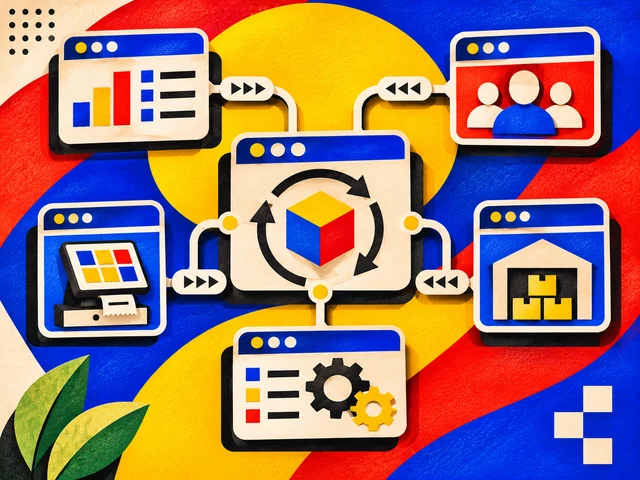
Integration of machines, sensors, PLCs, production systems and digital workflows. Bottleneck analysis, quality control and waste reduction with operational safety.

Integration of IoT sensors, drones and field imagery, crop monitoring, irrigation, productivity, animal identification and weighing according to technical feasibility.

Warehouse and inventory management, coffee lot traceability, weighing, quality, location, dispatch, documentation and logistics tracking.
Highly productive economies can compete even with higher labor costs. Investment in technology, skills, infrastructure and efficiency helps generate more value from available resources. Rather than relying only on low wages, companies can reduce waste, automate repetitive tasks, improve quality and expand production and export capacity.
From local production to global competitiveness: engineering to improve processes, measure results and expand human capabilities.
Software engineering with a proprietary methodology and state-of-the-art development tools created by HiperGraphics to organize requirements, decisions, quality and verifiable deliverables.
Understand operations, users, constraints and business goals.
Map requirements, acceptance criteria, interfaces and priorities; discuss estimates and risks.
Define contracts, data, integrations and security; develop in verifiable increments.
Testing, evidence, customer acceptance and change control.
Planned deployment, documentation, training and agreed evolution.
Each project requires discovery, a proposal and scope approval. Schedule, integrations and maintenance are defined by contract.
Follow your project with clear scope, milestones, quality evidence and acceptance criteria. Our own tools support communication, traceability and change control according to the agreed project terms.

Requirements, priorities and acceptance conditions linked to the work.

Progress, deliverables and traceable test results.

Communication, change requests and customer acceptance.
Investment depends on scope, users, integrations, security and operations. After discovery we provide a proposal with deliverables and terms.
Yes, when APIs, permissions and contracts allow it. We assess options and risks before implementation.
No. We select technology according to the problem; AI only when it adds value and can be validated.
We define milestones, acceptance criteria and evidence. Project tracking is organized using our own engineering tools, according to the scope and terms of the proposal.